Gun Reviews >
 Find a Dealer >
 Find a Club >
 Competitions >
 videos >
 Reader Survey >
Reloading Basics: A Guide to Trimming Your Brass
- Last updated: 30/07/2025
- Review

Like most things these days, cases have become significantly more expensive, so it’s more important than ever to get as many uses out of them as possible. Trimming is a key step in extending their lifespan and increasing the number of times they can be reloaded, while also offering several other worthwhile benefits.
What Causes a Cartridge Case to Stretch?
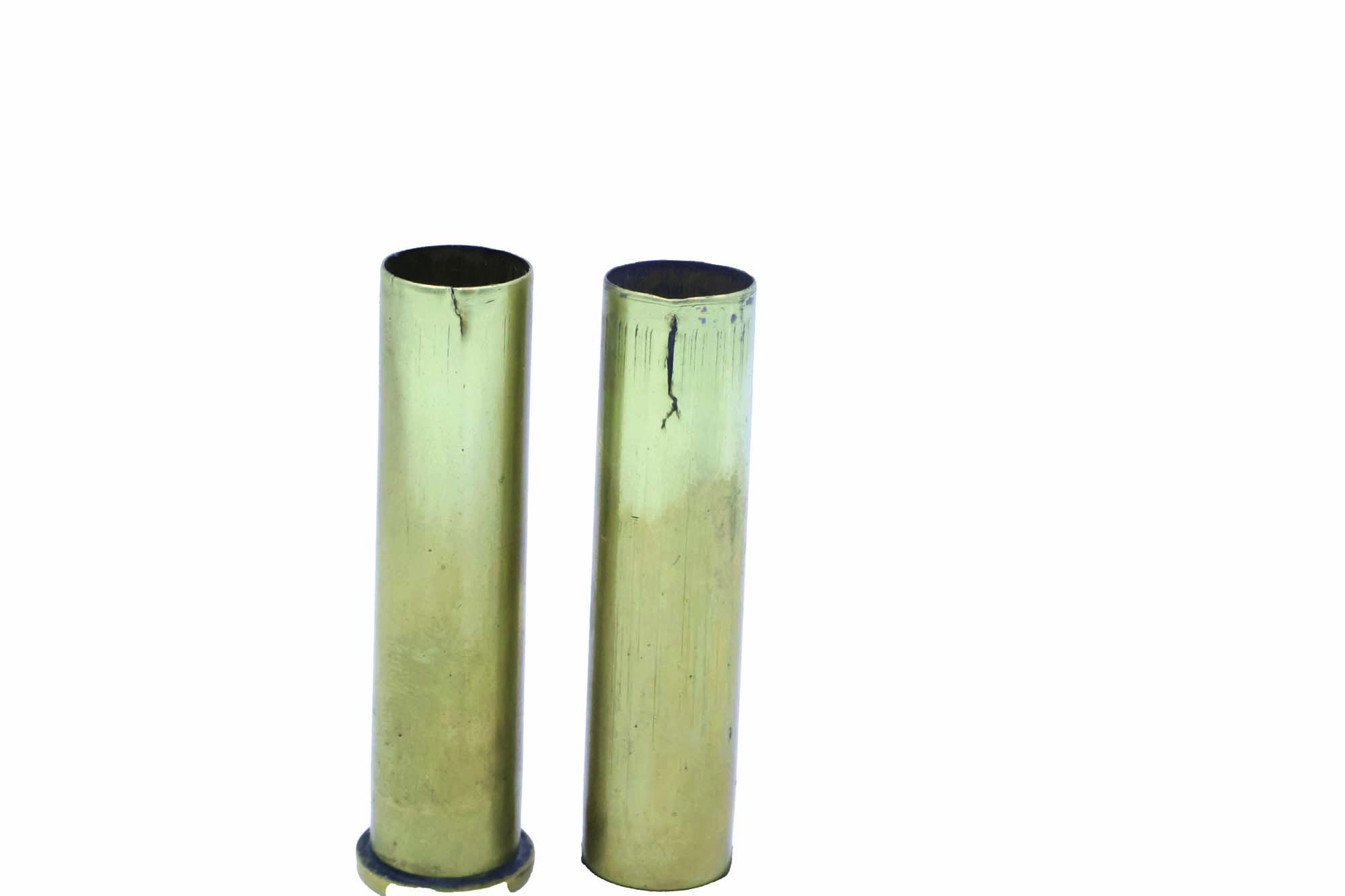
When a round is fired, the case is subjected to high chamber pressures from within, and it is stretched out in every direction. That same pressure also drives the bullet out, and, as it starts to leave the case, it pulls the area of brass that is holding onto it forward. Most of this stretching lasts only an instant, and although the brass springs back to size, the case never fully returns to its pre-firing dimensions and gradually becomes elongated over time. As cases become longer with successive firings, it can reach a point where this becomes noticeable and measurable. This is when case trimming is necessary.
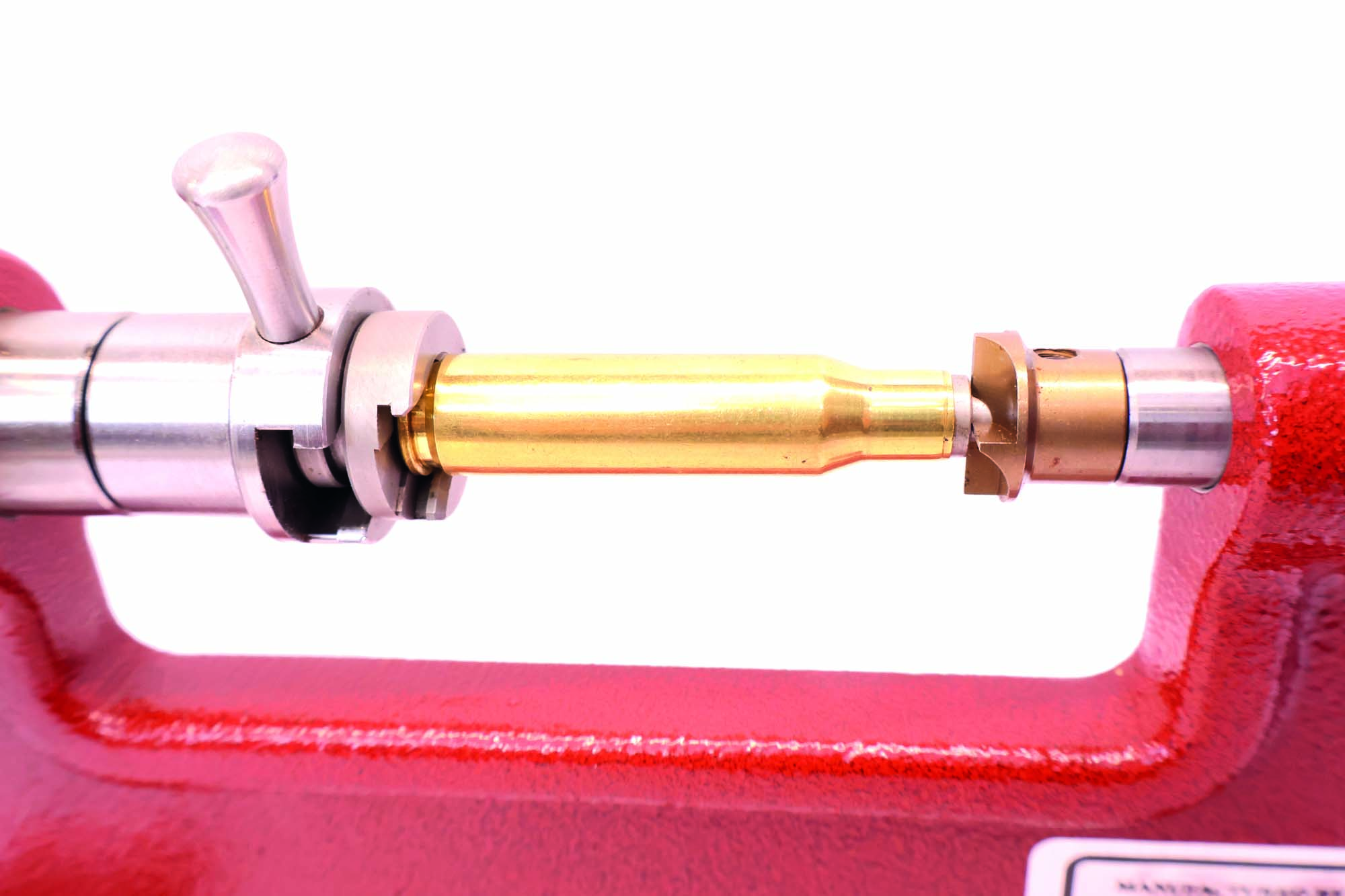
What Are the Main Benefits of Trimming Cases?
It is important to trim your cases for several key reasons that impact safety, consistency, and the lifespan of your brass.
- Prevents Case Failure: As the brass at the case mouth stretches, it gets thinner and can start to crack more easily. By trimming the brass back to the correct length, this thinned-out metal is removed, reducing the likelihood of cracking.
- Ensures Consistent Neck Tension: The grip a case has on a bullet, known as neck tension, is affected by the thickness and amount of brass in contact with the bullet. Uniform case length ensures consistent neck tension, which is crucial for uniform ammunition performance.
- Maintains Safe Chamber Pressures: In extreme situations, an untrimmed case can become too long for the rifle’s chamber. If the case neck extends into the barrel’s throat, it can restrict the bullet’s release and cause a dangerous spike in chamber pressure.
- Improves Die Interaction: During resizing, if the brass at the case mouth is too thin and stretched, the die will not resize it correctly. This can lead to a larger internal diameter than required, resulting in less neck tension.
- Standardises Crimping: If you apply a crimp, inconsistent case lengths will cause the crimp die to engage differently with each case. This leads to inconsistent crimp levels and varying chamber pressures.
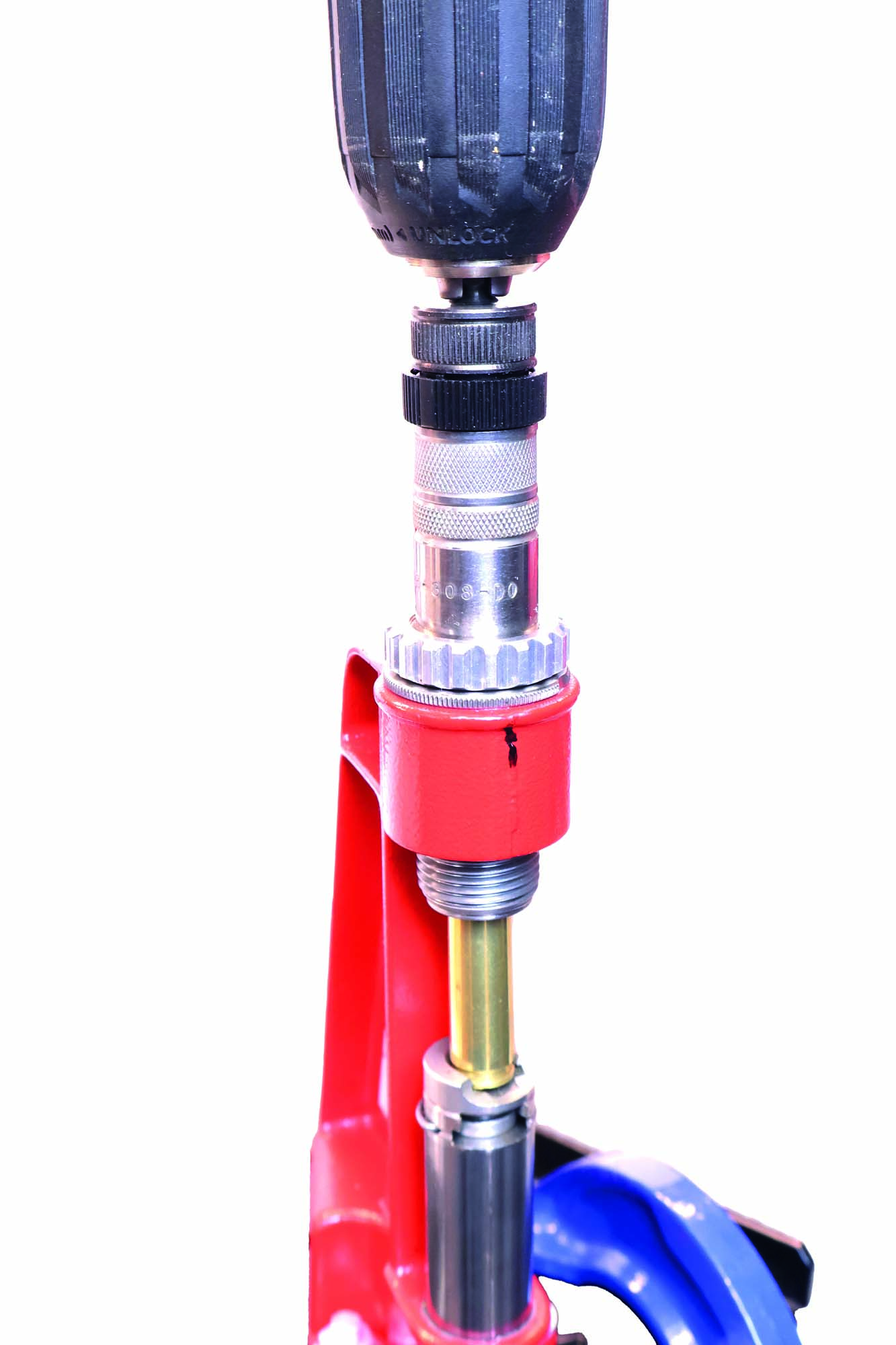
How Do You Know When to Trim Your Cases?
The amount that a case stretches depends on several factors. Very hot loads stretch the brass much more quickly than lighter loads, and older brass that has been reloaded before will yield more than newer brass, meaning it becomes increasingly elongated with each firing. Even the resizing dies you use will also influence how often cases need to be trimmed. Each time you process your cases, check the length of a few, and if any are too long, you should put the whole batch through a trimmer.
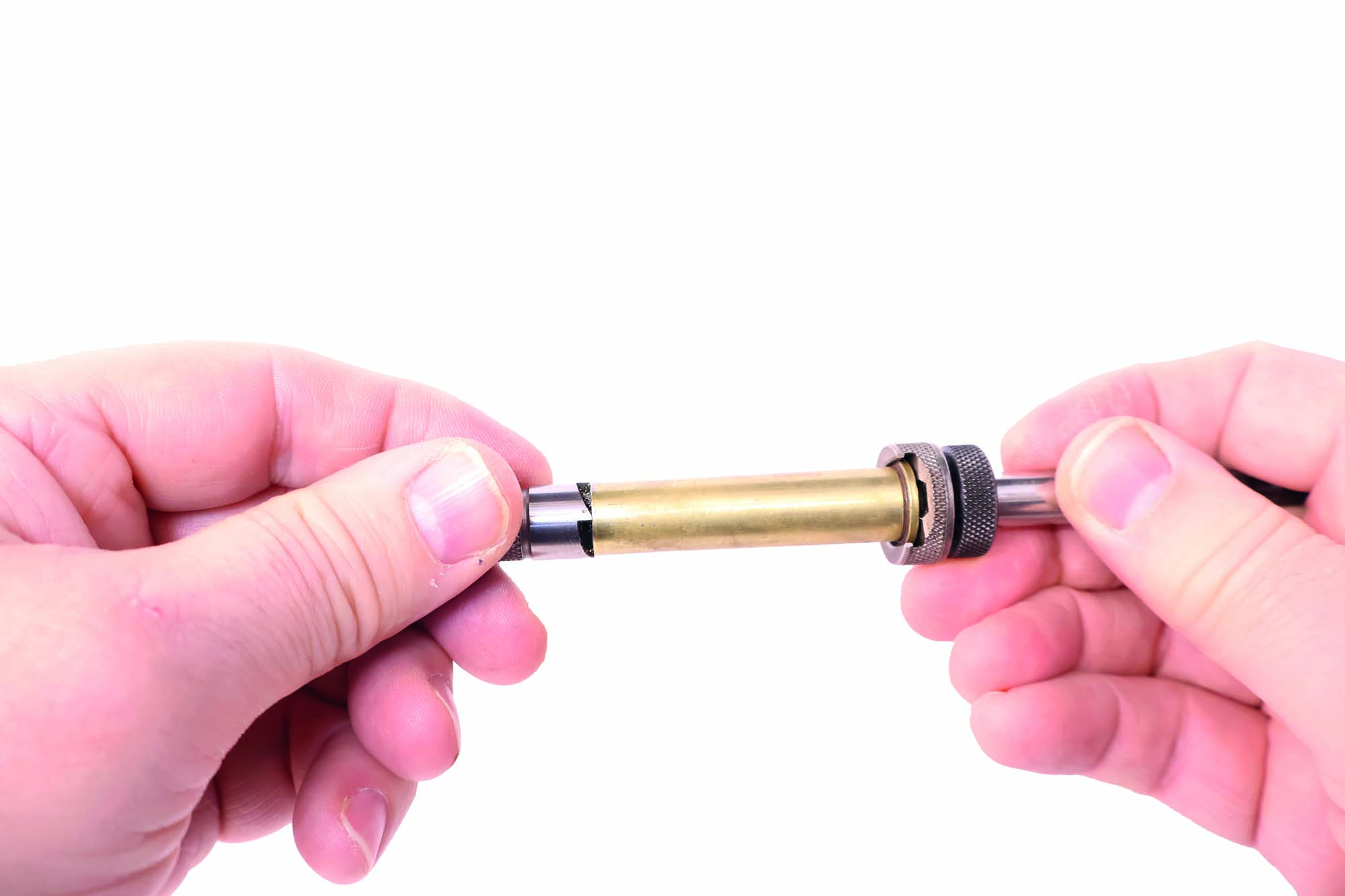
What are the Different Types of Case Trimming Tools?
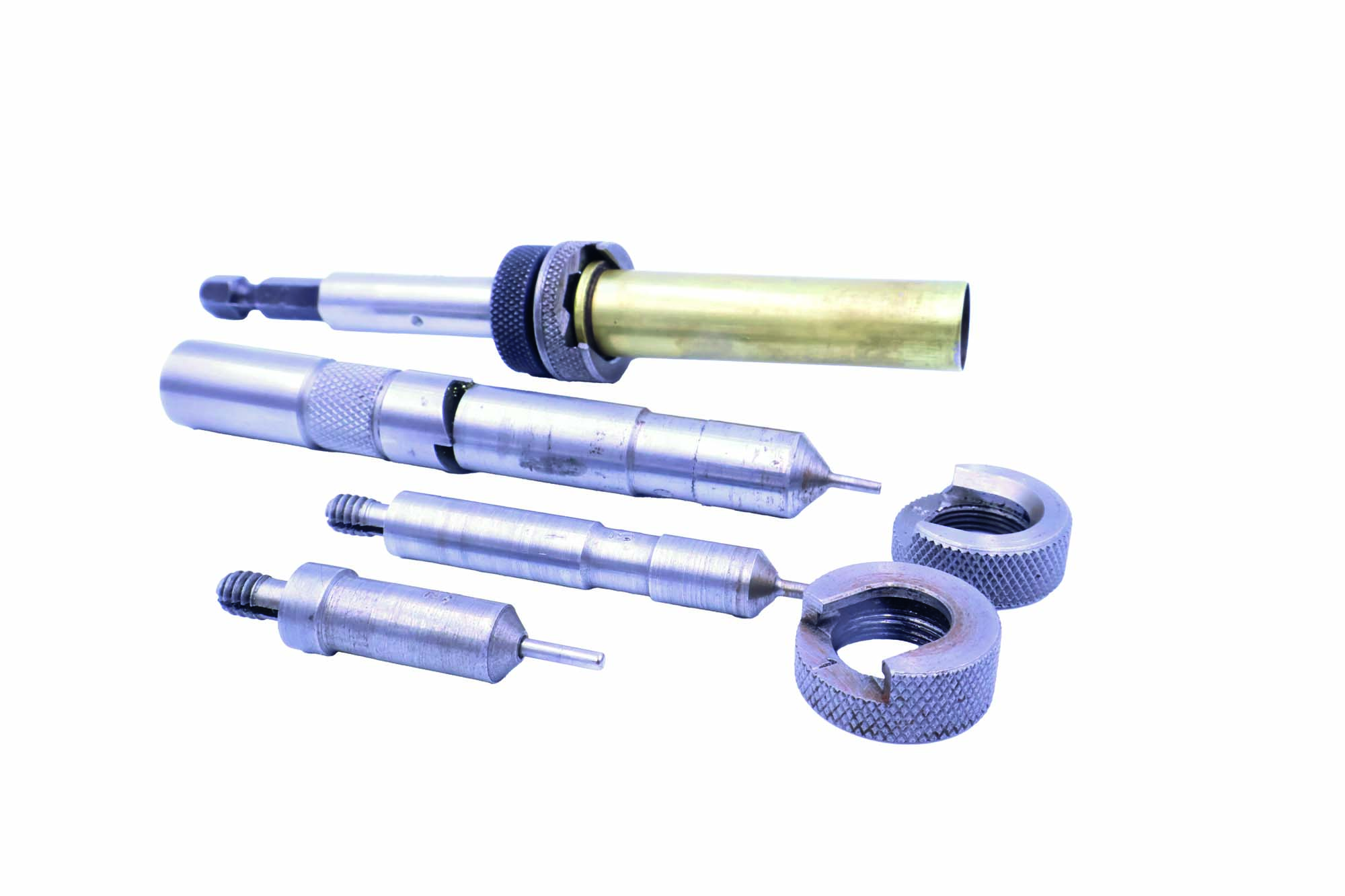
There are a variety of case trimming tools available, each with its own advantages.
- Calibre-Specific Trimmers: These use a pilot and are set to a fixed length. They are very accurate and consistent and cannot slip out of adjustment, but you need a separate cutter and pilot for each calibre.
- Adjustable Trimmers: These usually come with a set of pilots for a range of calibres and allow you to set the trim length yourself. They offer flexibility to customise case length but require careful setup.
- Powered Case Trimmers: These significantly speed up the process, which is handy for large batches of cases. They work very well, though manual trimmers allow more time for close inspection of each case.
What Should You Do After Trimming Your Cases?
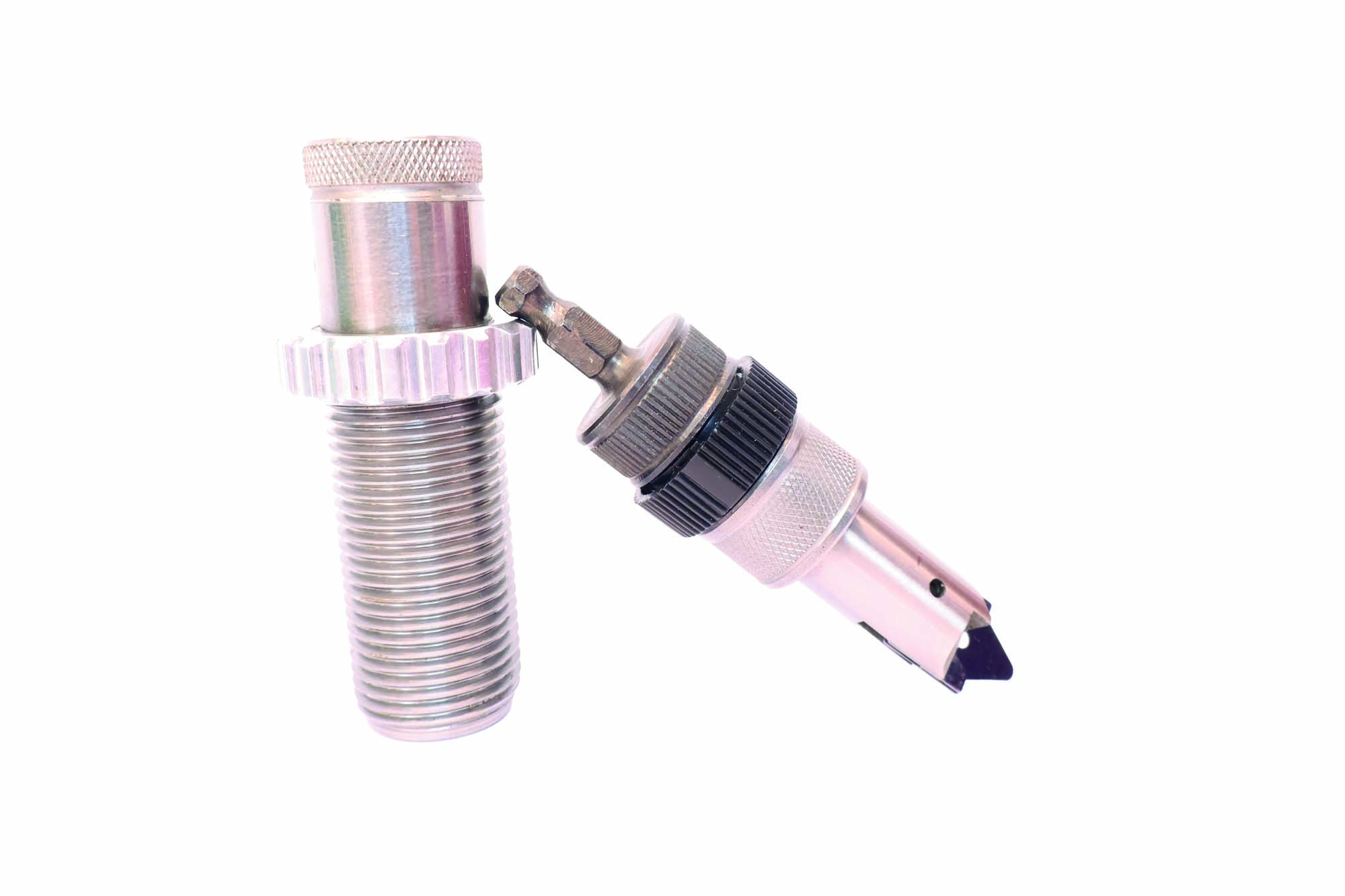
After trimming your cases, it is important to clean and chamfer them. Trimming can leave sharp edges and small burrs on the case mouths, which must be removed before reloading. A chamfering tool removes the burrs and creates a slight chamfer on the inside edge of the case mouth, allowing bullets to enter smoothly and align correctly. This is a very important step, and if your case trimming tool does not chamfer the finished edge of the case mouth, you must remember to do it separately.
Conclusion: Is Case Trimming Worth the Effort?
Trimming cases undoubtedly extends their lifespan and also improves the consistency of your finished ammunition. By ironing out variations in neck tension and standardising how your cases interact with your dies and bullets during seating, you can improve the performance of your reloads. It is a step well worth taking the time to complete.
Contacts:
- Lee Precision: Henry Krank – www.henrykrank.com
- Hornady: Edgar Brothers – www.edgarbrothers.com

click on image to enlarge